Residential Elevators: Everything You Need to Know (2026 Guide)

7 Key Passenger Lift Benefits for Efficient Building Mobility
April 28, 2026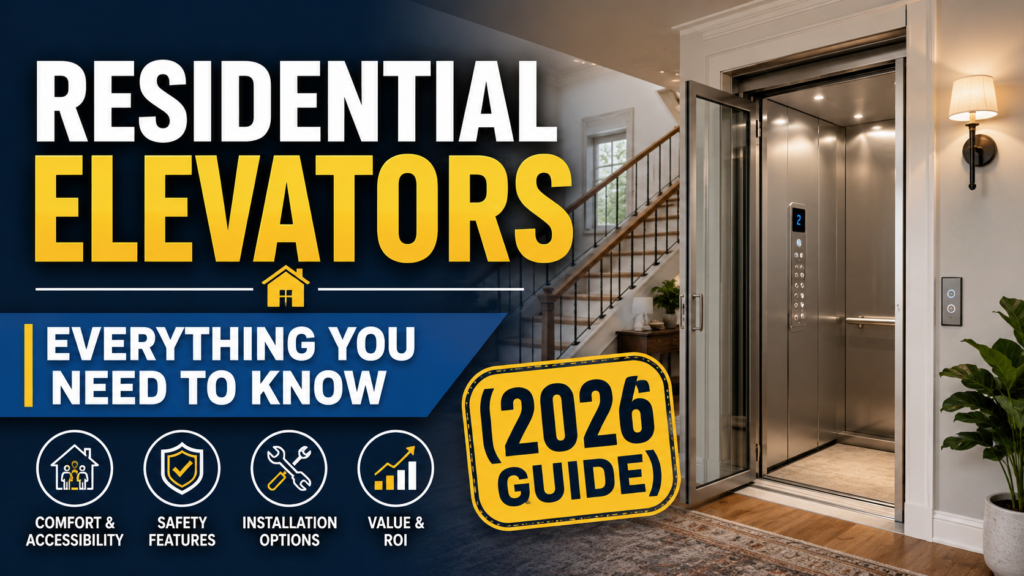
Modern homes are evolving quickly, and accessibility has become a major priority for homeowners in 2026. From aging-in-place planning to increasing property value, Residential Elevators are now considered both practical and stylish additions to multi-story homes. The growing demand for residential elevators udaipur reflects how homeowners are now focusing on safer mobility, improved convenience, and elegant design solutions that fit modern architecture. They are no longer limited to mansions or commercial buildings.
Many families are also investing in luxury residential elevators to create a premium living experience while improving long-term accessibility. Whether you are building a new property or renovating an older one, understanding the available options can help you make a smarter decision.
This guide explains how these systems work, the different types available, expected costs, maintenance requirements, and what homeowners should know before making an investment.
Why Homeowners Are Choosing Residential Elevators
The demand for Residential Elevators has increased significantly due to changing lifestyle needs. Multi-generational living is more common, and homeowners want practical solutions that support mobility without sacrificing aesthetics.
One major reason people consider an elevator is future-proofing. Stairs may become difficult with age, injuries, or medical conditions. An elevator offers a safer and more comfortable way to move between floors.
Another key factor is property value. Buyers increasingly look for accessible features in premium homes. A professionally planned home elevator installation can improve market appeal and create a competitive advantage in high-end real estate markets.
Modern systems are also more energy-efficient and quieter than older models. Manufacturers now focus on compact designs, smooth operation, and customizable interiors that blend seamlessly with home décor.
Types of Residential Elevators Available in 2026
Choosing the right system depends on your budget, available space, and mobility requirements. Different technologies offer different advantages.
Hydraulic Elevators
Hydraulic models use fluid-powered systems for smooth travel. These are known for reliability and comfort, making them popular in larger homes. However, they may require additional machine-room space.
Pneumatic Elevators
These elevators use air pressure technology and often feature sleek transparent cabins. They are ideal for modern interiors and quicker installations.
Traction Elevators
Traction systems use counterweights and motors for efficient vertical movement. They typically provide quieter performance and improved energy efficiency.
Shaftless Elevators
Shaftless designs are ideal for renovations and smaller homes. Many homeowners prefer these options because they minimize construction requirements and installation time.
Today, many buyers specifically search for small home elevators that can fit into compact layouts without requiring major structural changes. Compact models work especially well in townhouses, duplexes, and urban homes where every square foot matters.
Understanding Home Elevator Installation Requirements
Before starting a project, homeowners should evaluate structural conditions, electrical systems, and local building regulations. A successful home elevator installation and professional elevators installation udaipur service depends heavily on proper planning.
In new construction projects, integrating an elevator is generally easier and more cost-effective because architects can allocate dedicated space from the beginning. Retrofitting an existing property may require wall modifications, floor reinforcement, or shaft construction.
Professional contractors usually begin with a site inspection to assess:
- Floor layout
- Weight capacity requirements
- Power supply availability
- Accessibility goals
- Safety compliance standards
Permits and inspections are also important. Most regions require compliance with residential lift codes to ensure user safety.
Homeowners should avoid selecting a system based solely on price. Installation quality directly impacts long-term performance, reliability, and safety.
How Much Do Residential Elevators Cost?
The cost of Residential Elevators varies depending on design, technology, customization, and installation complexity.
Entry-level systems generally cost less but may offer limited cabin size and fewer design options. Premium systems with advanced automation, custom interiors, and smart controls naturally come at a higher price point.
Typical pricing factors include:
- Number of floors served
- Elevator technology
- Cabin finishes
- Structural modifications
- Labor and permit costs
- Smart-home integration features
A standard home elevator installation for a two-story property may cost significantly less than a custom system designed for luxury homes with multiple stops and personalized finishes.
Maintenance expenses should also be included in your long-term budget planning. Investing in a reputable manufacturer can reduce unexpected repair costs later.
Design Trends and Luxury Features
Modern Residential Elevators are no longer purely functional. Homeowners now expect visually appealing systems that complement interior design.
Glass cabins, touch-screen controls, ambient lighting, and voice-activated technology are increasingly popular. Many premium homeowners are selecting luxury residential elevators with personalized materials such as marble flooring, wood paneling, and designer metal finishes.
Smart integration is another major trend. Some systems connect with mobile apps, allowing homeowners to monitor performance, receive maintenance alerts, and control elevator settings remotely.
Customization has become a defining feature in the industry. Homeowners can choose cabin shapes, door styles, lighting schemes, and decorative elements that match the overall theme of the home.
Space-Saving Solutions for Compact Homes
Not every property has room for a large elevator shaft. Fortunately, manufacturers now offer creative alternatives for smaller spaces.
Modern small home elevators are designed to maximize functionality while minimizing construction requirements. These systems often fit into closets, corners, or unused vertical spaces.
Compact elevators are especially beneficial for:
- Urban homes
- Duplex apartments
- Narrow townhouses
- Renovation projects
- Elderly-friendly home upgrades
Many homeowners mistakenly assume that elevators require large-scale remodeling. In reality, some modern systems require far less structural work than traditional elevators.
Choosing the right placement can also improve convenience and traffic flow throughout the home.
Safety Features Every Homeowner Should Know
Safety remains one of the most important aspects of Residential Elevators. A trusted lift manufacturer in Rajasthan ensures multiple protection systems are included for safe and reliable residential use.
Common safety features include:
- Emergency stop buttons
- Battery backup systems
- Automatic door sensors
- Alarm communication systems
- Overspeed protection
- Non-slip flooring
Families with children or elderly members should prioritize systems with enhanced accessibility features and intuitive controls.
Routine inspections are equally important. Even high-quality elevators require professional servicing to maintain safe operation over time.
Maintenance and Long-Term Reliability
Proper maintenance significantly extends elevator lifespan and reduces costly breakdowns. Like any mechanical system, elevators experience wear and tear with regular use.
Scheduling regular inspections and preventive servicing helps identify issues before they become major problems. Many homeowners rely on professional home elevator repair services to maintain system performance and comply with safety standards.
Maintenance tasks typically include:
- Lubricating moving components
- Inspecting cables and motors
- Testing emergency systems
- Checking door alignment
- Updating software controls
Ignoring maintenance can lead to reduced efficiency, safety risks, and unexpected downtime.
Reliable home elevator repair services also help homeowners handle emergency issues quickly, minimizing inconvenience and protecting long-term investment value.
Signs Your Elevator Needs Professional Attention
Even well-maintained systems may occasionally develop performance issues. Homeowners should watch for early warning signs that indicate the need for servicing.
Unusual noises, slower travel speeds, jerking movement, or inconsistent door operation may signal mechanical problems. If these issues appear, contacting qualified home elevator repair services immediately can prevent larger failures.
Regular inspections are especially important for older systems or elevators with heavy daily use.
Homeowners should always work with certified technicians who understand residential lift systems and local safety regulations.
Choosing the Right Elevator Provider
Selecting the right company is just as important as selecting the elevator itself. A trusted provider offers professional consultation, transparent pricing, quality products, and dependable support.
When comparing providers, homeowners should evaluate:
- Industry experience
- Warranty coverage
- Customer reviews
- Maintenance support
- Product certifications
- Installation expertise
A reputable company will also explain long-term servicing requirements and offer access to dependable home elevator repair services after installation is complete.
Avoid companies that provide vague pricing or unrealistic installation timelines. Quality craftsmanship and proper engineering matter more than aggressive discounts.
Future Trends Shaping Residential Elevators
Technology continues to transform the home mobility industry. In 2026, Residential Elevators are becoming smarter, quieter, and more environmentally friendly.
Manufacturers are developing advanced energy-saving systems that reduce electricity consumption without compromising performance. Artificial intelligence is also improving predictive maintenance capabilities.
The popularity of small home elevators is expected to grow as urban housing becomes more compact and accessibility regulations continue evolving.
At the same time, demand for luxury residential elevators continues rising among homeowners seeking premium comfort and high-end design integration.
Sustainability is another growing priority. Many manufacturers now use recyclable materials and low-energy drive systems to support eco-conscious home construction.
Final Thoughts
Investing in Residential Elevators is no longer just about convenience. It is about accessibility, safety, property value, and long-term comfort. Whether you are planning a renovation or building a new home, understanding your options can help you make a more informed decision.
A carefully planned home elevator installation can improve mobility while enhancing daily living. Homeowners with limited space can benefit from modern small home elevators, while those seeking elegance and premium functionality may prefer luxury residential elevators with advanced customization.
Long-term reliability also depends on regular maintenance and dependable home elevator repair services that keep systems operating safely and efficiently.
As technology continues evolving, residential elevators will remain an increasingly valuable feature in modern homes for years to come.
Read More:- 7 Key Passenger Lift Benefits for Efficient Building Mobility